all articles

The User Experience of Live Events
Read TIme

#

minutes

Published

September 17, 2013

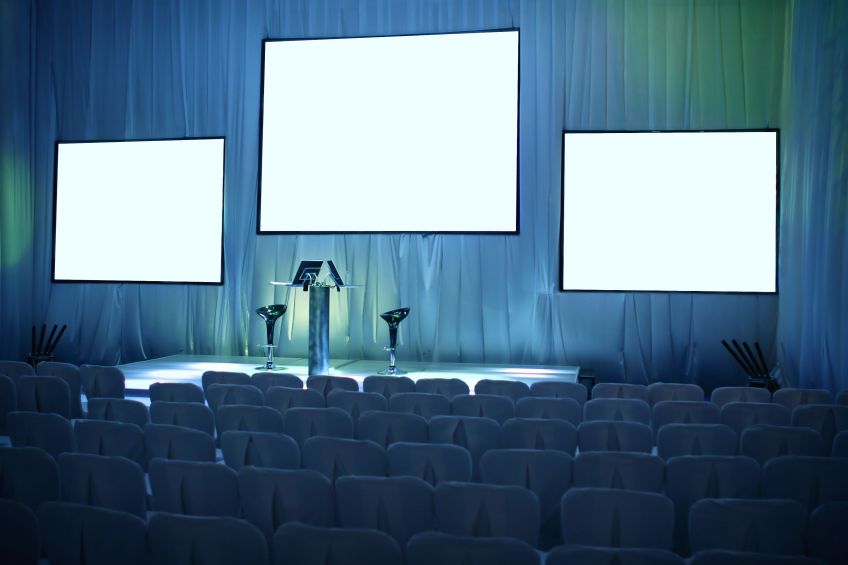
Empty conference or event stage with a podium and three large blank projection screens, facing rows of chairs.

A few weeks ago, a colleague wrote about how his work as a user experience architect is filtering down into his personal life and changing the way he relates to people. His story demonstrates that UX is not just for web architects and usability testers.

UX is a philosophy. An organizational principle. A customer service promise. It’s the theory around which we design websites and apps and other system interfaces, yes – but also live events.

When we manage and market live events on behalf of our clients, it’s not the technology that drives the primary decisions. It’s the user experience.

  • How loud should the audio be? At the decibel where everyone can hear comfortably.
  • Where should we place the screens, podiums, and stages? In locations where everyone can see comfortably.
  • How warm should the room be? At a temperature where everyone can feel comfortable.
  • Where should the cables, cameras, red carpets, banners or potted plants be arranged? In a configuration that allow everyone to navigate the room comfortably.
  • Where should signage and directionals go? In easy to follow locations, especially if the venue is new.
  • How should we structure the schedule? Decide between workshops and keynotes? Order the slides? In the way that best facilitates the training, motivation or other reason everyone is there.

And we have to make sure that all of these necessary elements don’t get in the way of the attendee’s experience. No one should have to notice or think about them at all – the setup should just work.

In other words, whether it’s the navigation of a website, the interface of a kitchen appliance, or a live event, UX is the key to success.

What unexpected places are you applying user experience principles?

You may also like
Modern conference room with a long table, rolling office chairs, a ceiling-mounted projector, and large floor-to-ceiling windows.
Yes, Paid Media is a Great Opportunity for B2B

How to include paid media in your B2B marketing strategy with Paid Media Strategist Angela Strock.

A stack of folded newspapers on a table, photographed close-up with a shallow depth of field and a softly blurred background.
4 Reasons to Keep Press Releases Out of Your Company Blog

How many visits and comments does your company blog get? Is that a painful question to answer? Companies large and small have recognized the immense popularly of blogging and jumped on the bandwagon. But a tour of these brand blogs reveals that many still don’t know why to blog (other than “we should”) or how to blog (beyond the function of WordPress). Indicator number one? Their blogs are full of press releases. What’s wrong with that? Plenty. Here are four reasons to get the press releases out of your brand’s blog...

Here are four reasons to get the press releases out of your branded company blog.

Busy trade show booth for Delta featuring product displays and signage, with attendees talking and browsing exhibits.
Why Trade Shows are Great Opportunities for Social Engagement

Trade shows have long served as a breeding ground for innovations and relationships. And while many brands and industries have spent decades perfecting their trade show strategies, social media is a relatively new addition to these strategies. As more companies continue to develop an active social presence, many are realizing that trade shows are great opportunities for social engagement. Here are a few reasons why.

Steve Dwyer of Hanson Inc. explains why trade shows are great opportunities for social engagement.