What Instagram’s album feature means for brands

Instagram recently announced the ability to share multiple photos or videos in one post on Instagram, much like an album. This is largely significant because the ever-popular photo-sharing app, which currently has 150 million active daily users, previously only allowed one photo per post, forcing users to select the best shot to showcase a moment or idea. But this new feature creates more opportunities for brands.
What’s the value to you?
As a brand, think of this update as an opportunity to tell more of a story on Instagram. Instead of being limited to just one shot, you can now select up to ten photos or videos—with distinct captions for each one—creating the chance to tell a narrative or share the extension of a moment with your followers.
More interactive content per post can also mean more engagement, because your followers are more likely to engage with your profile longer as they flip through the series of content, which could generate more brand awareness and leave a more lasting impression.
How do you use it?
There are many ways you can add this new feature into your Instagram strategy. Here are a few examples of what the big brands are already doing:
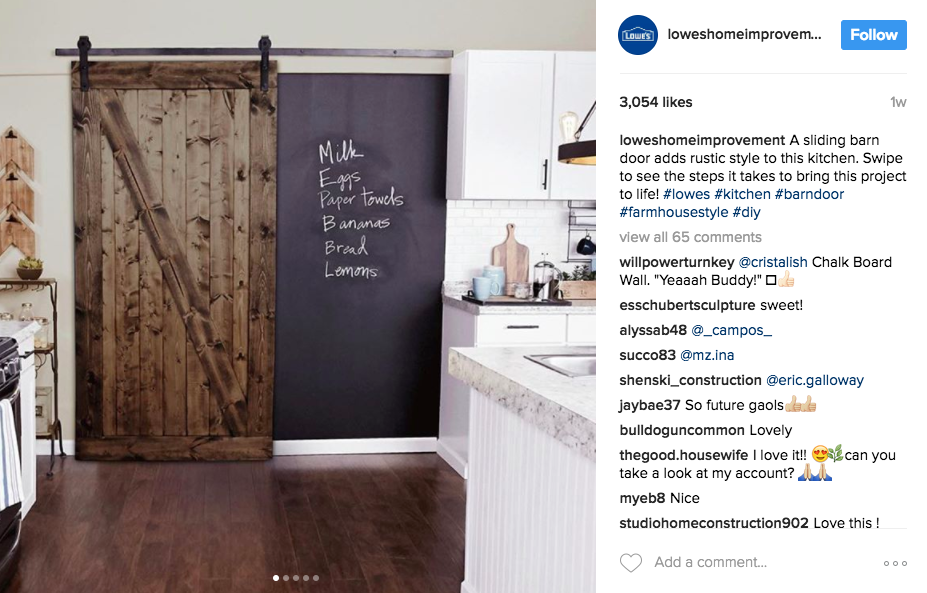
- Implement how-to content. What’s one of the best ways to show or explain how to do something? Visuals! Utilize this feature as a way to share the different steps to a project with descriptive directions in each caption. It’s easy to follow along AND more engaging!
Check out how Lowe’s used a series of photos to show the steps of creating a sliding barn door to accent a kitchen, making it achievable for the everyday user:
- Get creative with angles and photography. Another way to think about the multiple photos feature is as a way to get creative with your content. Extend an action shot into many different angles, or try a panorama to capture more of the moment. This will make your followers feel like they are really there sharing the moment with you.
Redbull used it to capture the entire jump in the women’s long jump event:
.webp)
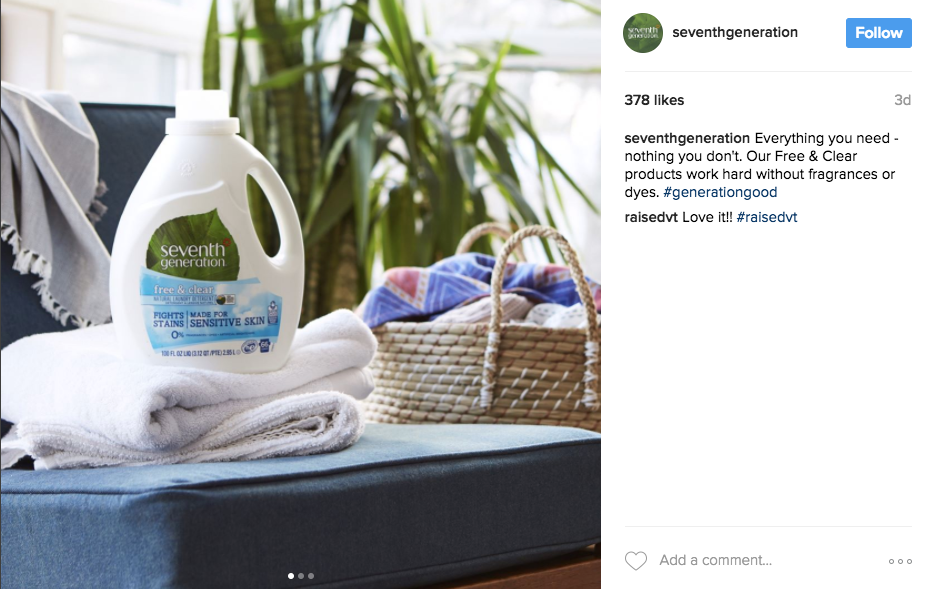
- Showcase products. Multiple photos also present the chance to show the different ways your products can be used. You can choose to show several products or even highlight features of a single product to bring it to life, in a way one static image can’t.
In this example, Seventh Generation showed a product in the many different environments it can clean around the house, capturing its many uses and effectiveness:
Keep in mind that when it comes to using this new feature, it should be about quality over quantity—try not to go overboard with your content. Instead, think selectively about just how many photos or videos it will take to tell your story most effectively. This could be less than the maximum of ten, but just as (or more) impactful.