What 35+ Years at IBS/KBIS Taught Me About the Importance of Showing Up
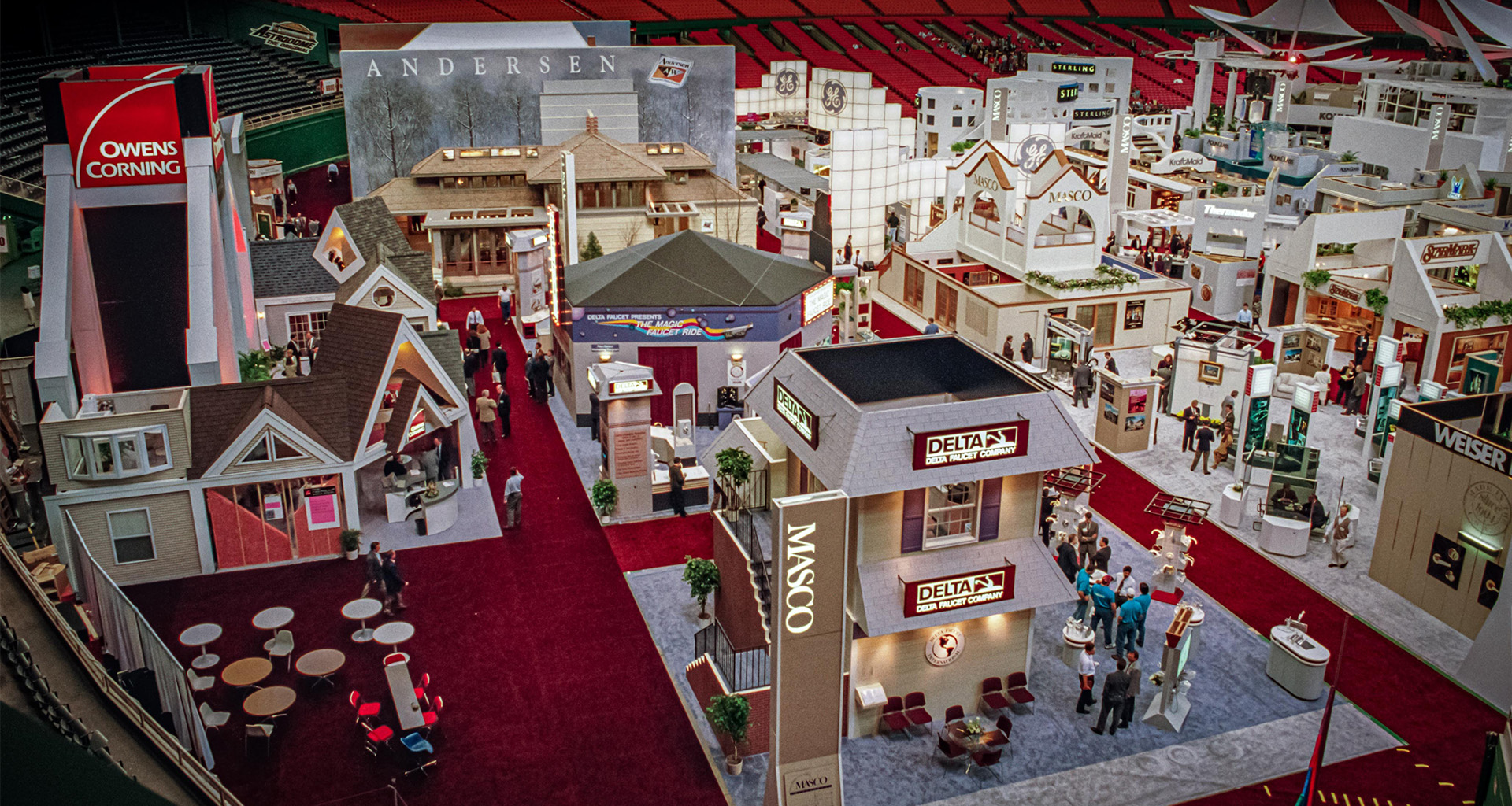

I've been attending the International Builders' Show and the Kitchen & Bath Industry Show since the early 1980s. That's more than three and a half decades of convention center floors, industry conversations, and annual trips that have shaped how I think about this industry and how Hanson Inc. serves it.
A lot has changed. Some things really haven't.
The Show Itself Looks Nothing Like It Used To
When I first started attending, the show floor was a spectacle, and I mean that literally. The strategy back then was simple: get people into your booth by any means necessary, and then show them what you have. Manufacturers went all out on the entertainment side. I can remember one client bringing in Olympic gymnasts to draw a crowd. Some brought in celebrities and famous faces to stop the foot traffic. One manufacturer had what I can only describe as a Cirque du Soleil-style performance right on the show floor. Games were everywhere too. Tossing a basketball into a hoop, spinning a prize wheel… even whack-a-mole. And of course, open bars and food, because nothing stops foot traffic like a free drink. It sounds like a different era because it was. Nobody was winning awards for subtlety. The product almost played second fiddle to the entertainment.
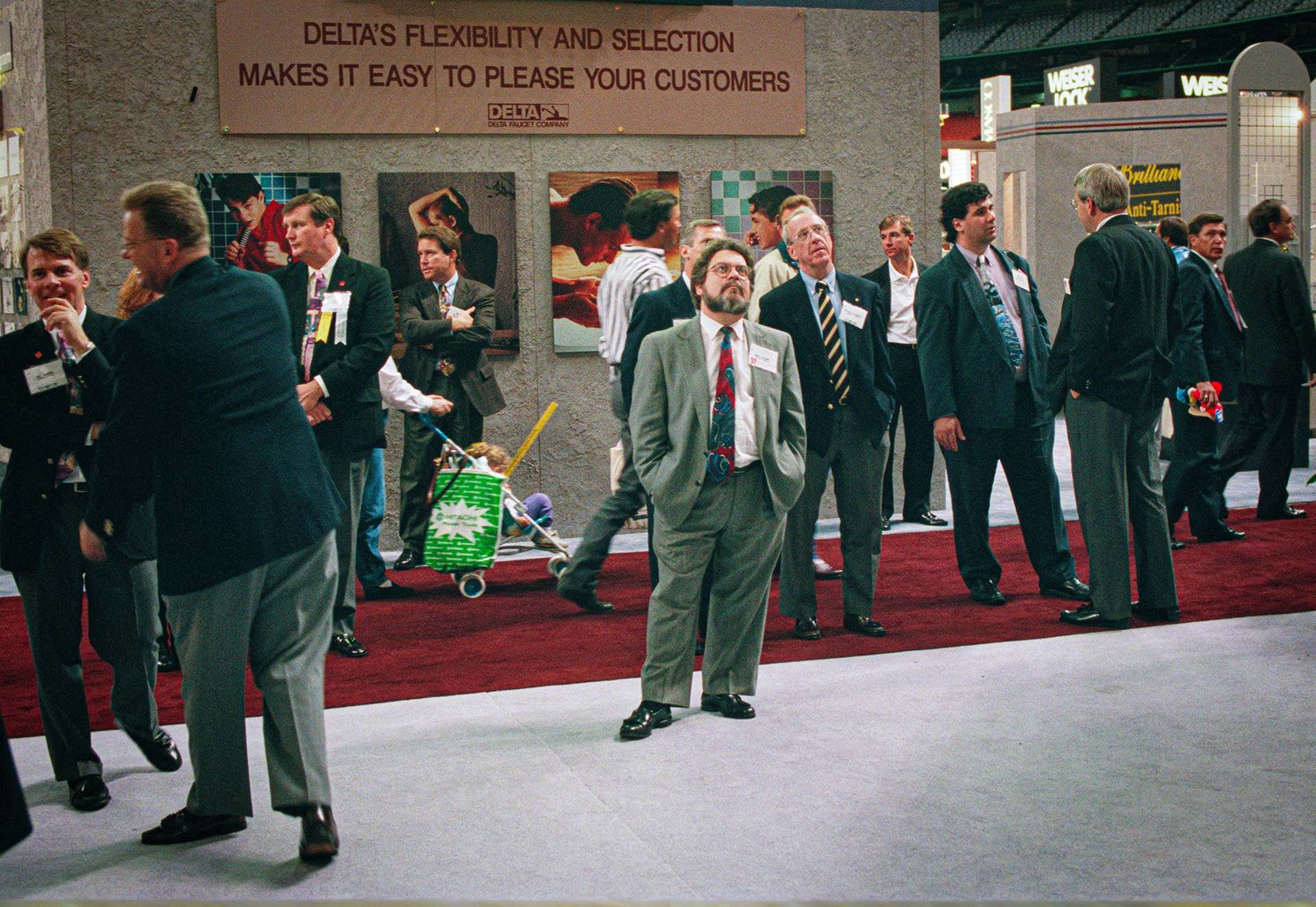

The thinking made a certain kind of sense at the time. The show floor was massive and noisy and competitive, and you had to stop the foot traffic somehow. Entertainment was the tool.
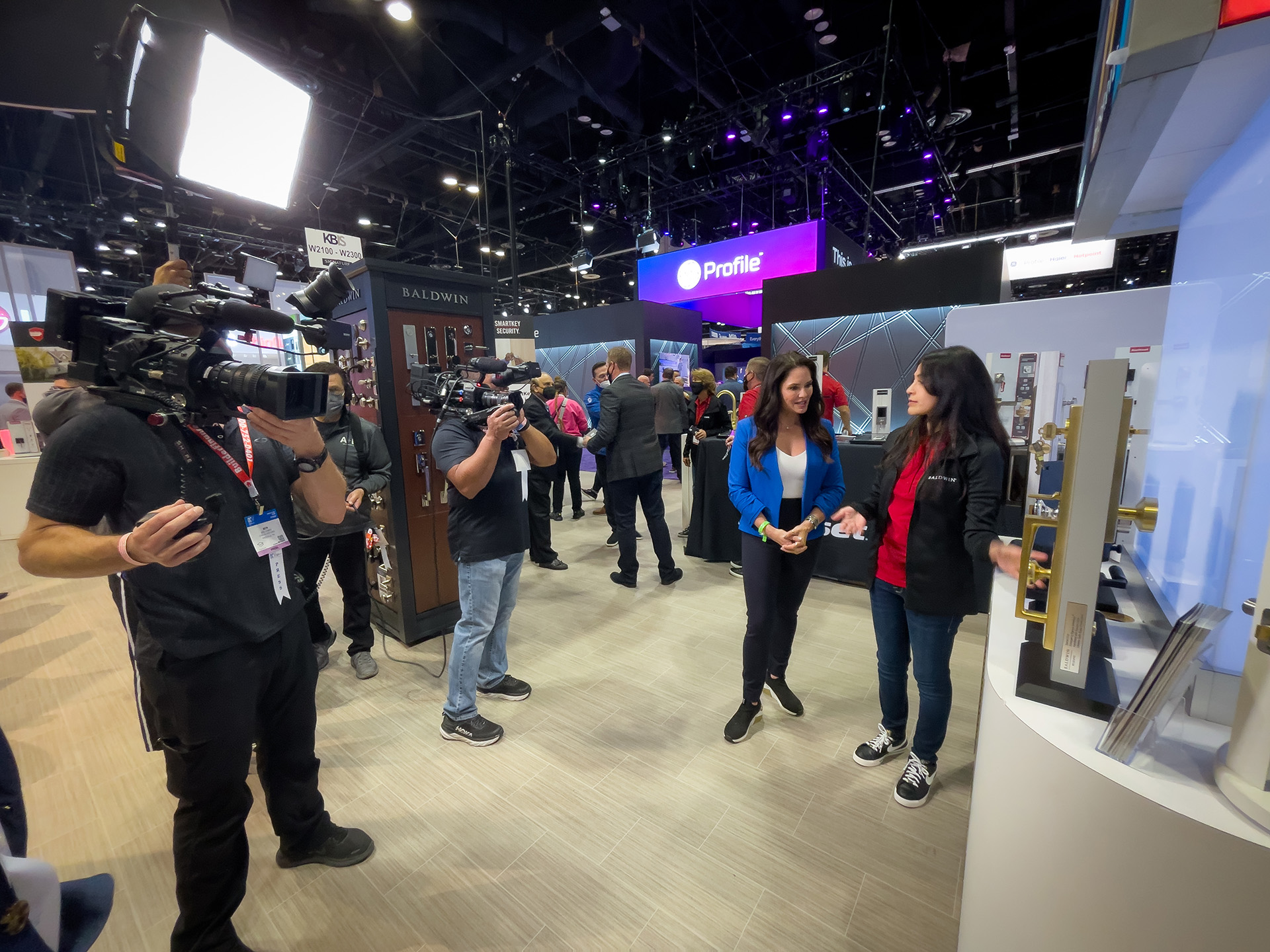
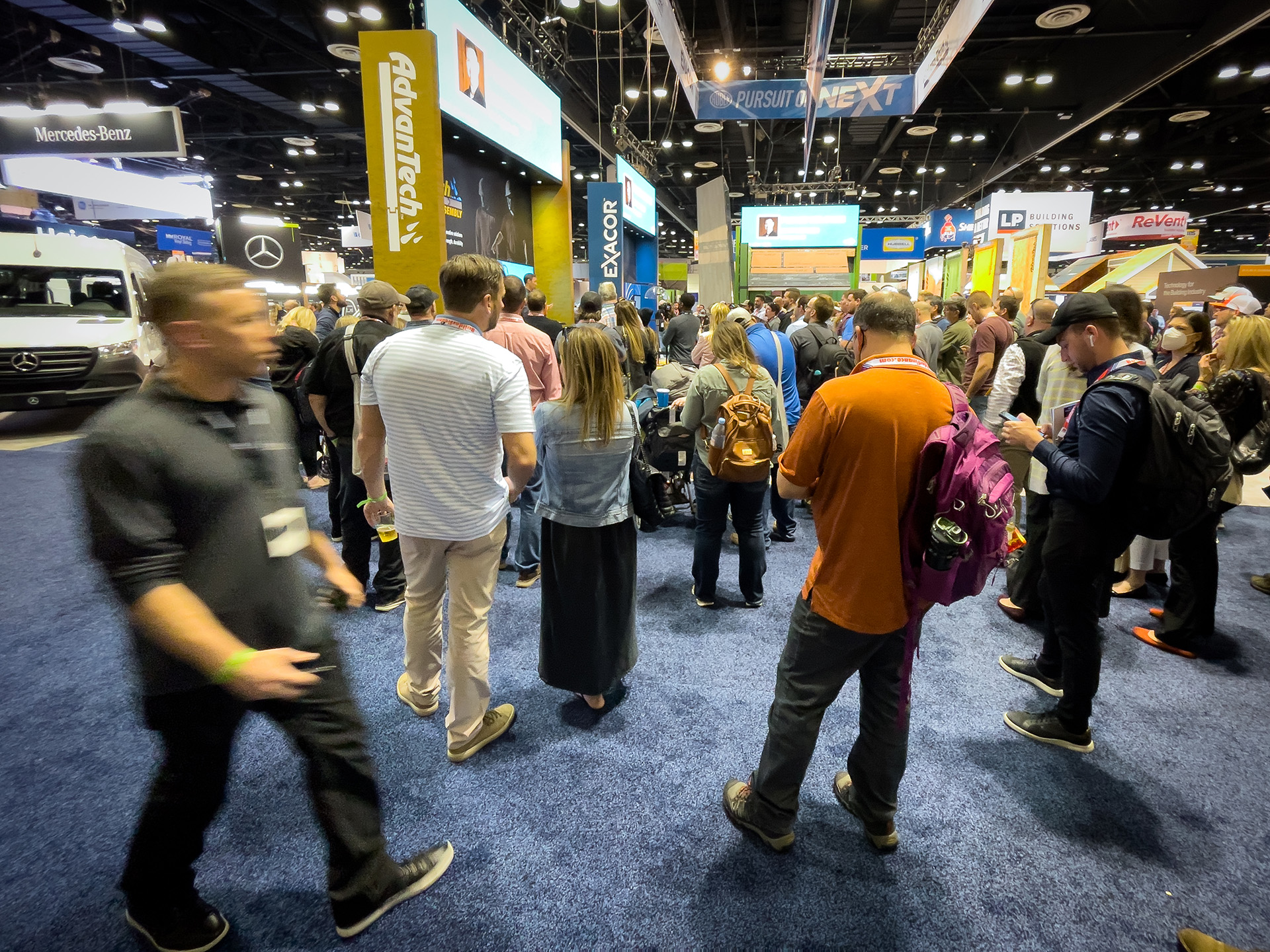
Today the strategy has flipped completely. Innovation is what draws people in now, but here's the difference: it's all in service of the product. Full-room vignettes, interactive configurators, photo opportunities designed for social media, and digital signage and graphics that honestly have to be seen to be believed. Immersive experiences built around the product itself. The product is the star now, not the entertainment. That is a genuinely meaningful shift, and it says something about how much more sophisticated both the brands and the buyers have become over 35 years.
Digital Marketing Changed Everything, and Most of the Industry Was Late to It
This one is personal for me, because it's the business Hanson Inc. is in.
When I started attending IBS/KBIS, "marketing" for most building products manufacturers meant print ads, trade publications, and whatever your rep was saying on the road. There was no web, no email, no social media, no search. The show itself was one of the primary ways brands reached the trade.
Over the past 25 years, we’ve watched digital move from the margins of marketing to the operating system of modern business. At Hanson, it hasn’t been a trend we followed. It has been the foundation of how we think.
The building products industry, rooted in handshake relationships and reputation built over decades, was understandably deliberate in its adoption of digital. This is a category built on trust, specification, and long sales cycles. Change does not happen impulsively in environments like that, nor should it.
Today, the conversation is no longer about “digital marketing.” We are operating in a fully digital world. Every brand, whether selling to homeowners, architects, builders, or distributors, is navigating buyers who research, evaluate, compare, and validate online before a conversation ever happens. Digital is not a channel layered onto the business. It is the infrastructure shaping how demand is created and captured.
The opportunity now is far more powerful than simply having a presence. Brands can reach distinct audiences such as homeowners who are dreaming, contractors who are pricing, and architects who are specifying, each in different spaces, with different messages, at different moments in their decision journey. They can test and refine positioning in real time. They can optimize investment based on performance data rather than instinct. They can even inform product innovation through behavioral insight and direct feedback loops.
The brands that lead today are not choosing between relationships and digital. They understand that digital strengthens relationships. It scales trust. It sharpens value propositions. It shortens sales cycles. And it creates measurable advantage.
That is the shift we have helped navigate and continue to lead.
Still Worth The Trip
For all of it, the core reason to be at IBS/KBIS hasn't shifted.
The building products industry runs on relationships. It always has. The show is still the place where you can have more meaningful conversations in three days than you might have in three months of emails and calls. You run into someone you haven't seen in a year, you grab a coffee, and something happens that wouldn't have happened any other way. That's been true since the early 80s and it's still true now.
The other constant is that the best brands, the ones that have lasted, keep showing up. In the down years and the uncertain years, they're still at the show, still investing in relationships and visibility, still treating the event as a commitment rather than an expense line to cut. I've watched a lot of companies make the opposite call and regret it.
I've been asked more than a few times whether trade shows like IBS/KBIS still matter in a world where so much has moved online. My answer hasn't changed. They matter because people matter. The products, the innovation, the booth experiences… all of it is interesting. But it's the people and the conversations that keep me coming back.
Thirty-five-plus years in, and I still look forward to it every year.
If you're a building products brand trying to figure out your digital presence, sharpen your brand, or build a smarter marketing strategy, we'd love to talk. Thirty-five-plus years of working in this industry has taught us a thing or two, or three...